Cybersecurity of robots
Short answer
Two EU regulations apply to a robot with a network connection. The Machinery Regulation, applicable from 20 January 2027, requires that a connection to another device does not lead to a hazardous situation and that safety-critical software is protected against tampering. The Cyber Resilience Act imposes security requirements on manufacturers: the duty to report exploited vulnerabilities has applied since 11 September 2026, and the other obligations apply from 11 December 2027. You can already ask your supplier how they are meeting them.
In brief
- The Machinery Regulation (from 20 January 2027) sets cybersecurity requirements from the perspective of machine safety.
- The Cyber Resilience Act (CRA) applies to products with digital elements and places the obligations on the manufacturer.
- Since 11 September 2026, manufacturers must report actively exploited vulnerabilities and severe incidents. The other CRA obligations apply from 11 December 2027.
- Among other things, the CRA requires a secure default configuration, security updates, access management and a support period of at least five years, unless the product is used for a shorter time.
- A robot manufacturer must comply with both regulations. What applies to your model, you ask your supplier.
Two regulations, two perspectives
A robot with a network connection is a machine and at the same time a product with digital elements. As a result, two EU regulations apply side by side.
The Machinery Regulation (EU) 2023/1230 is applicable from 20 January 2027. It requires that the connection of a machine to another device, or to a remote device, does not lead to a hazardous situation. Software and data that matter for safety must be identifiable and protected against tampering. The machine must be able to indicate which safety-critical software is installed on it and must collect evidence of lawful and unlawful interventions. Control systems must withstand reasonably foreseeable malicious attempts by third parties that lead to a hazardous situation. The rest of that regulation is covered in the Machinery Regulation 2027.
The Cyber Resilience Act (CRA) is Regulation (EU) 2024/2847. It applies to products with digital elements whose intended or foreseeable use includes a logical or physical data connection to a device or network. The obligations lie with the manufacturer. According to the European Commission, the reporting obligations have applied since 11 September 2026 and the other main obligations apply from 11 December 2027.
How they relate
The CRA itself states that a manufacturer of a product that falls under the Machinery Regulation and is also a product with digital elements must comply with both. Meeting the cybersecurity requirements of the CRA can make it easier to demonstrate the corresponding machine requirements on protection against tampering and the reliability of control systems. The manufacturer must substantiate that itself and follow both conformity assessment procedures.
What the CRA asks of a manufacturer
The regulation shows what you can expect from a supplier:
- The product is placed on the market without known exploitable vulnerabilities and with a secure default configuration.
- Vulnerabilities can be addressed with security updates, where applicable also automatically and with a clear opt-out.
- The product protects against unauthorized access with appropriate control mechanisms, such as authentication and access management, and reports unauthorized access.
- The manufacturer determines a support period of at least five years, unless the product is expected to be in use for a shorter time. The end date is clearly stated at the time of purchase.
- A security update remains available for at least ten years after it is issued, or for the remainder of the support period if that is longer.
- The manufacturer has a policy for handling reported vulnerabilities and designates a single point of contact.
- Since 11 September 2026, the manufacturer actively reports exploited vulnerabilities and severe incidents through the ENISA reporting platform.
What the AgiBot documentation shows
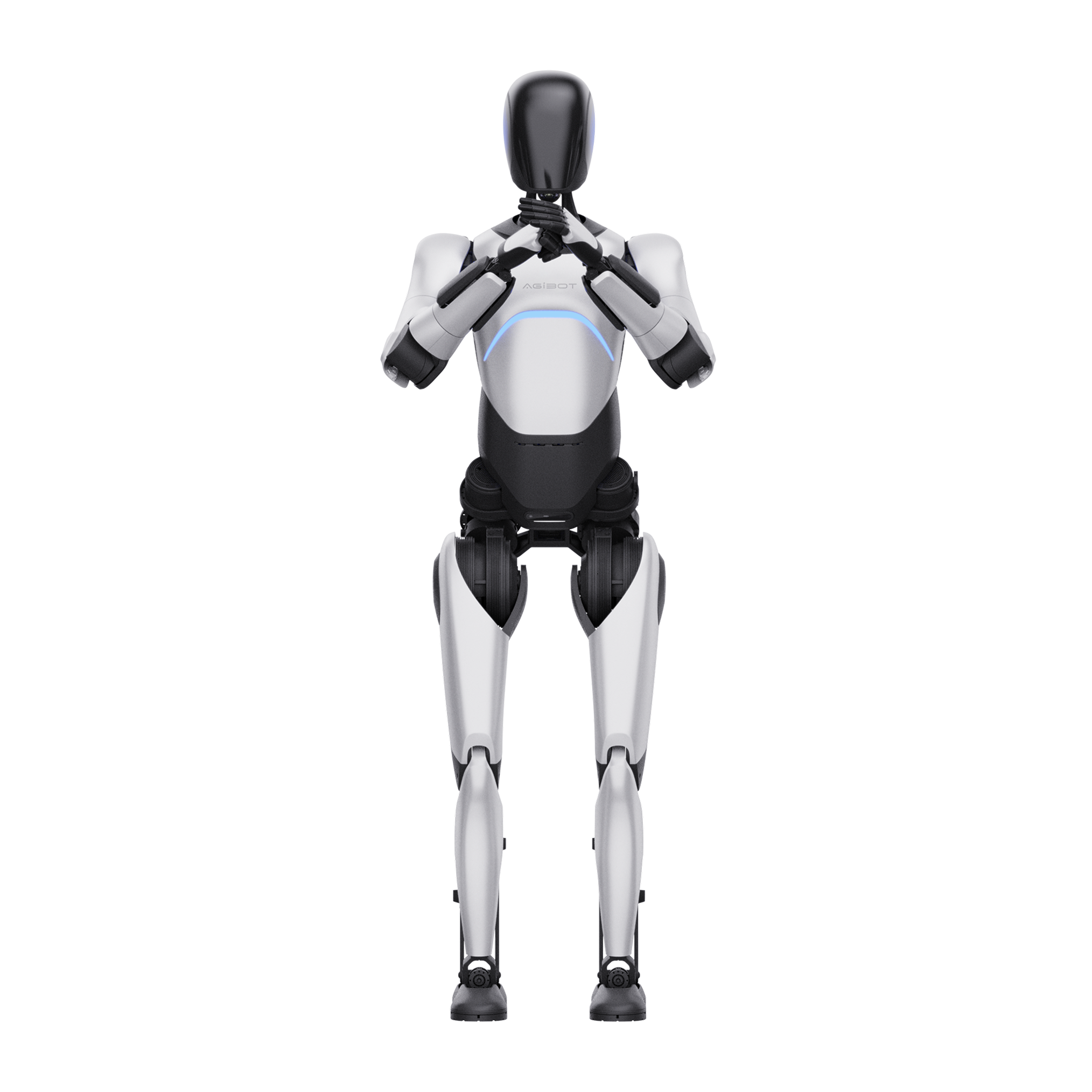
The AimDK manual for the A3 Ultra (version 3.3, no publication date) describes a robot with three computing units running Debian 12.2. Each unit has a software update tool, ota_service. In the OTA state (over-the-air update), the robot starts the OTA function group; the agent process and the motion_player are then switched off. The manual prohibits putting development programs on the motion controller and changing the system configuration of the controllers without good reason. Installing or removing software with apt is expressly prohibited.
For an application on AgiBot's LinkSoul platform, the manual states that the APP Secret is visible only once when it is created and cannot be retrieved afterwards. Anyone who extends a robot with their own software therefore has to arrange for themselves where such a secret is stored safely.
What this manual does not describe is how access and authentication are set up on the robot itself. You ask the supplier about that. More on updates in AgiBot security updates and AgiBot firmware updates.
What you can arrange
- Make an overview of the connected robots and peripherals, with software version and who has access.
- At purchase, ask for the support period and the contact point for vulnerabilities, and record them in agreements with your supplier.
- Determine per function whether a connection is needed. See edge or cloud.
Sources: Machinery Regulation (consolidated 27-07-2026), Cyber Resilience Act, European Commission on the CRA, ENISA on the reporting platform, AgiBot AimDK A3-ultra v3.3 (software, constraints, interaction). Checked on 22 November 2026.
Sources
- EUR-Lex: Regulation (EU) 2023/1230 on machinery, consolidated text of 27-07-2026 (informative) (checked on 2026-11-22)
- EUR-Lex: Regulation (EU) 2024/2847 (Cyber Resilience Act), Official Journal of 20 November 2024 (checked on 2026-11-22)
- European Commission: Cyber Resilience Act (checked on 2026-11-22)
- ENISA: The CRA Single Reporting Platform is launched (11 September 2026) (checked on 2026-11-22)
- AgiBot: AimDK A3-ultra, Software System Overview (v3.3) (checked on 2026-11-22)
- AgiBot: AimDK A3-ultra, Basic Development Constraints (v3.3) (checked on 2026-11-22)
- AgiBot: AimDK A3-ultra, Interactive Development Guide (v3.3) (checked on 2026-11-22)
Frequently asked questions
Which EU rules apply to the security of a robot?
The Machinery Regulation (EU) 2023/1230, applicable from 20 January 2027, and the Cyber Resilience Act (EU) 2024/2847. The first looks at the safety of the machine, the second at the cybersecurity of products with digital elements. A robot manufacturer must comply with both.
What has been mandatory since 11 September 2026?
Manufacturers must report actively exploited vulnerabilities and severe incidents that affect the security of their product. On 11 September 2026, ENISA, the EU cybersecurity agency, put a single reporting platform into use for this.
How long must a supplier provide security updates?
Under the CRA, the manufacturer determines a support period that reflects the expected use time, with a minimum of five years, unless the product will be in use for a shorter time. The end date must be clear at the time of purchase. This obligation applies from 11 December 2027.
What do I ask my supplier about security?
Ask which support period applies, how security updates are provided, who the single point of contact for vulnerabilities is, which access rights the robot has and whether the default configuration is secure. These are subjects the CRA requires of the manufacturer.
What do I do in case of a suspected security incident with the robot?
Contact the manufacturer or integrator. The CRA requires manufacturers to designate a single point of contact where users can report vulnerabilities. What your own organization must do beyond that depends on your own policy and on other rules, which this article does not cover.
Does a robot always have to be connected to the internet?
For the A3 Ultra, the AgiBot documentation states that after startup the robot must be online for at least two minutes for audio-related authentication. What runs locally and what runs over a connection is covered in the article on edge and cloud.